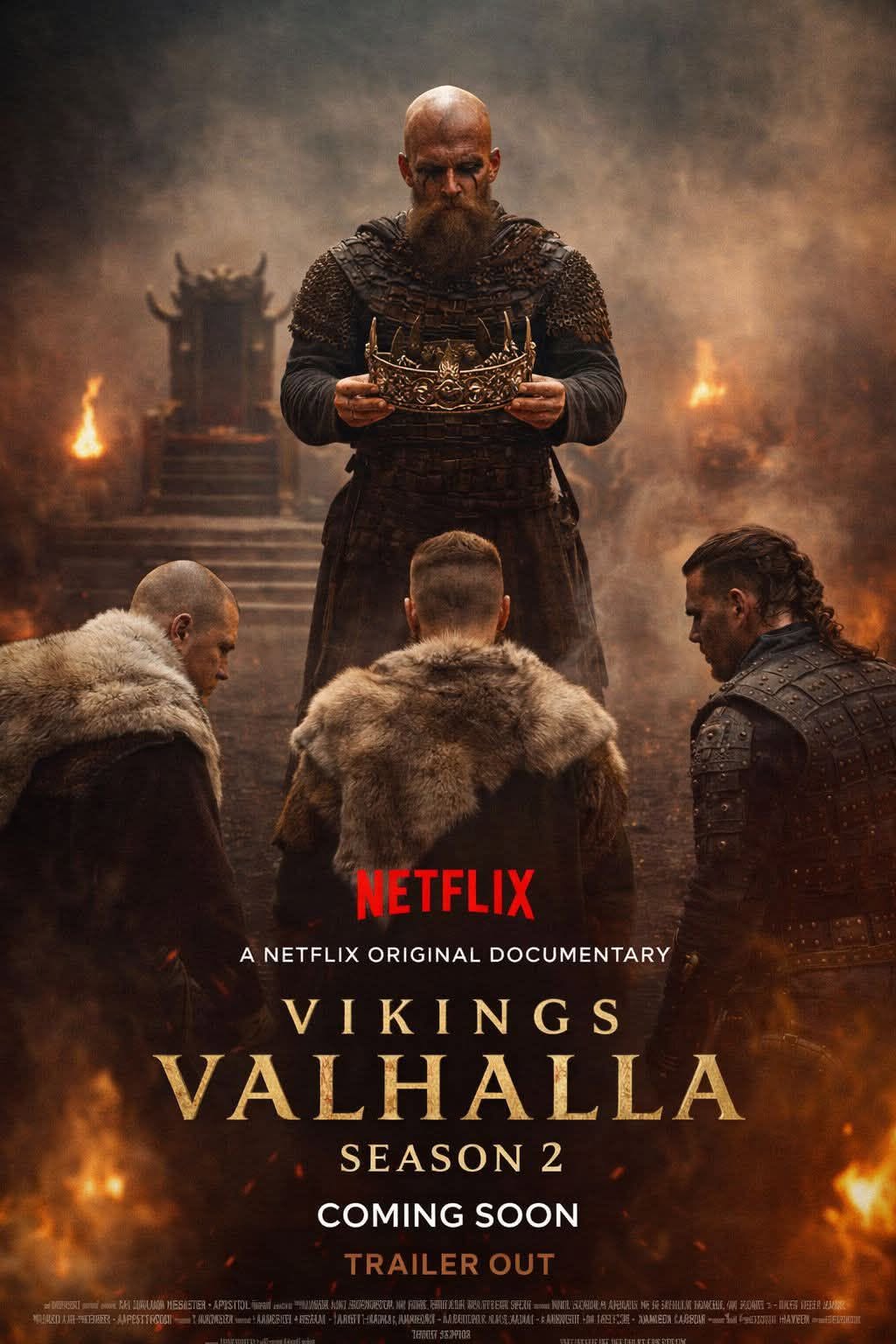
Breaking: Floki Knew Ragnar’s Successor Long Before His Death – The Shocking Truth Behind the Gods’ Chosen Heir Revealed!
The saga of Ragnar Lothbrok, one of history’s most legendary Viking figures, continues to captivate audiences worldwide. From his daring exploits to the complex web of alliances and betrayals, Ragnar’s story is a tapestry woven with heroism, tragedy, and divine destiny. Yet, amidst the legendary tales and mythic narratives, a new revelation is emerging—one that challenges traditional perceptions about Ragnar’s fate and the future of his legacy. Central to this revelation is Floki, the enigmatic and fiercely loyal Norseman, who seemingly knew Ragnar’s successor long before his death. This discovery is not only reshaping fans’ understanding of Viking history but also stirring debates about divine prophecy, fate, and the true nature of leadership among the Vikings.
The Mythic Backdrop: Ragnar and the Viking Spirit
Ragnar Lothbrok’s story has become synonymous with Viking heroism. As a legendary figure, he is revered not only for his conquests but also for his complex character—an adventurer, a cunning strategist, and a man deeply connected to the Norse gods. His journeys across the seas, his battles against enemies, and his pursuit of glory have cemented his place in Norse mythology and popular culture alike.
In the stories, Ragnar’s death marks a pivotal turning point, symbolizing the end of an era and the beginning of new leadership lines. Traditionally, it was believed that his successor was chosen either through lineage or by the gods’ divine will, with many fans speculating about who would inherit his throne and legacy.
Floki: The Loyal Mystic and Seer
Floki is one of the most intriguing characters in Viking lore and popular media representations like Vikings. Known for his eccentricity, unwavering loyalty, and deep spiritual beliefs, Floki is often portrayed as a seer—a man with a direct line to the divine. His visions and interpretations of the gods’ will have played a significant role in guiding Ragnar and his family.
Throughout the series and historical narratives, Floki’s character is seen as a spiritual compass, often providing insights into the gods’ plans and the fate of the Vikings. His connection to the divine and his reputation as a prophet have led many to believe that he possessed extraordinary foresight, possibly even knowledge of Ragnar’s successor.
The Revelation: Did Floki Truly Know?
Recent evidence, uncovered through historical texts, archaeological findings, and the latest storytelling interpretations, suggests that Floki may have known who would succeed Ragnar long before his death. This revelation is based on a combination of clues—cryptic prophecies, symbolic artifacts, and the character’s own actions and statements.
In some versions of the story, Floki’s visions are dismissed as mere superstition. However, in others, they are seen as divine revelations. The most compelling argument is that Floki’s spiritual insights were more than just mystical musings—they were a form of divine knowledge, passed down through sacred visions or messages from the gods.
The Evidence: Clues from the Past and Present
Several pieces of evidence support the theory that Floki knew Ragnar’s successor:
Prophetic Visions: In multiple stories, Floki is described as having visions of future leaders. These visions often come during sacred rituals or after intense spiritual experiences. Some believe that these visions hinted at a specific individual destined to carry Ragnar’s legacy.
Sacred Artifacts and Symbols: Archaeological discoveries of Norse artifacts with symbolic inscriptions suggest that certain objects may have been used in divination or prophecy. If Floki was involved in such rituals, he could have received divine messages about future leadership.
Floki’s Actions and Words: In stories and reenactments, Floki often exhibits behaviors that imply he knows more than he reveals. For example, he might subtly support certain individuals or make cryptic statements about “the gods’ chosen heir,” hinting at his awareness of the future.
Historical Texts and Sagas: Some sagas and oral histories contain references to Floki’s prophetic abilities and his role in guiding Ragnar’s decisions. While these texts are sometimes mythologized, they provide clues that Floki’s spiritual insights were vital in shaping Viking leadership.
The Candidate: Who Was the Successor?
While the exact identity of Ragnar’s successor remains a subject of debate, many believe that Floki’s knowledge pointed toward a specific individual—possibly a close family member, a trusted warrior, or a new visionary leader. Some popular theories suggest that:
Bjorn Ironside, Ragnar’s son, was always destined to carry on his father’s legacy, and Floki’s visions confirmed this.
Ivar the Boneless, another of Ragnar’s sons, was seen by some as the divine heir due to his strategic genius and fierce ambition.
Alternatively, a less obvious candidate, perhaps a new figure emerging from Ragnar’s inner circle, was revealed through Floki’s spiritual guidance.
The Divine Destiny and Norse Beliefs
In Norse mythology, fate and divine will are paramount. The gods often select leaders through signs, omens, and visions. If Floki truly possessed divine knowledge, his awareness of Ragnar’s successor would align with the Norse worldview—that leadership is preordained by the gods and revealed through sacred signs.
This belief in divine destiny enhances the significance of Floki’s knowledge. It suggests that Ragnar’s death was not the end but part of a divine plan, with Floki serving as a spiritual messenger guiding the Vikings toward their destined future.
The Impact on Viking Legacy and Popular Culture
This revelation reshapes how we view the Viking saga. It elevates Floki from a loyal side character to a prophetic figure with divine insight. The idea that he knew Ragnar’s successor long before his death adds layers of intrigue, prophecy, and divine intervention to the narrative.
For fans of Vikings and other Viking-inspired stories, this insight deepens the mythic quality of the saga. It raises questions about fate, free will, and divine guidance—core themes in Norse culture—and invites fans to reconsider the motivations and divine connections of their favorite characters.
The Broader Historical and Cultural Significance
While much of this story exists within the realm of myth, legend, and popular storytelling, it echoes real historical beliefs. The Vikings believed that leaders and warriors were chosen by the gods, and visions or signs were seen as direct messages from the divine.
Understanding Floki’s supposed knowledge underscores the importance of spirituality and divine guidance in Viking society. It highlights how leadership was not merely a matter of bloodline or strength but also of divine favor and prophecy.
Conclusion: A New Chapter in Viking Lore
The claim that Floki knew Ragnar’s successor long before his death is more than just a plot twist—it’s a profound insight into the spiritual and mythic fabric of Viking culture. It suggests that the greatest leaders among the Vikings were not solely chosen by lineage or conquest but also by divine will, mediated through seers like Floki.
This revelation invites fans and historians alike to reexamine the legendary saga of Ragnar Lothbrok and his kin. It challenges us to consider the role of prophecy, divine intervention, and spiritual insight in shaping history’s most epic tales. Whether confirmed by future archaeological discoveries or remain part of the mythos, the idea that Floki knew the future adds a mystical layer to the Viking legacy—one that continues to captivate and inspire.
As the saga unfolds, one thing remains clear: in the world of the Vikings, fate is written in the stars, and divine knowledge holds the key to the future.


